
Publications
ISDI Team
Olive Season 2026: A Plentiful Harvest, Late to Ripen
ISDI Article
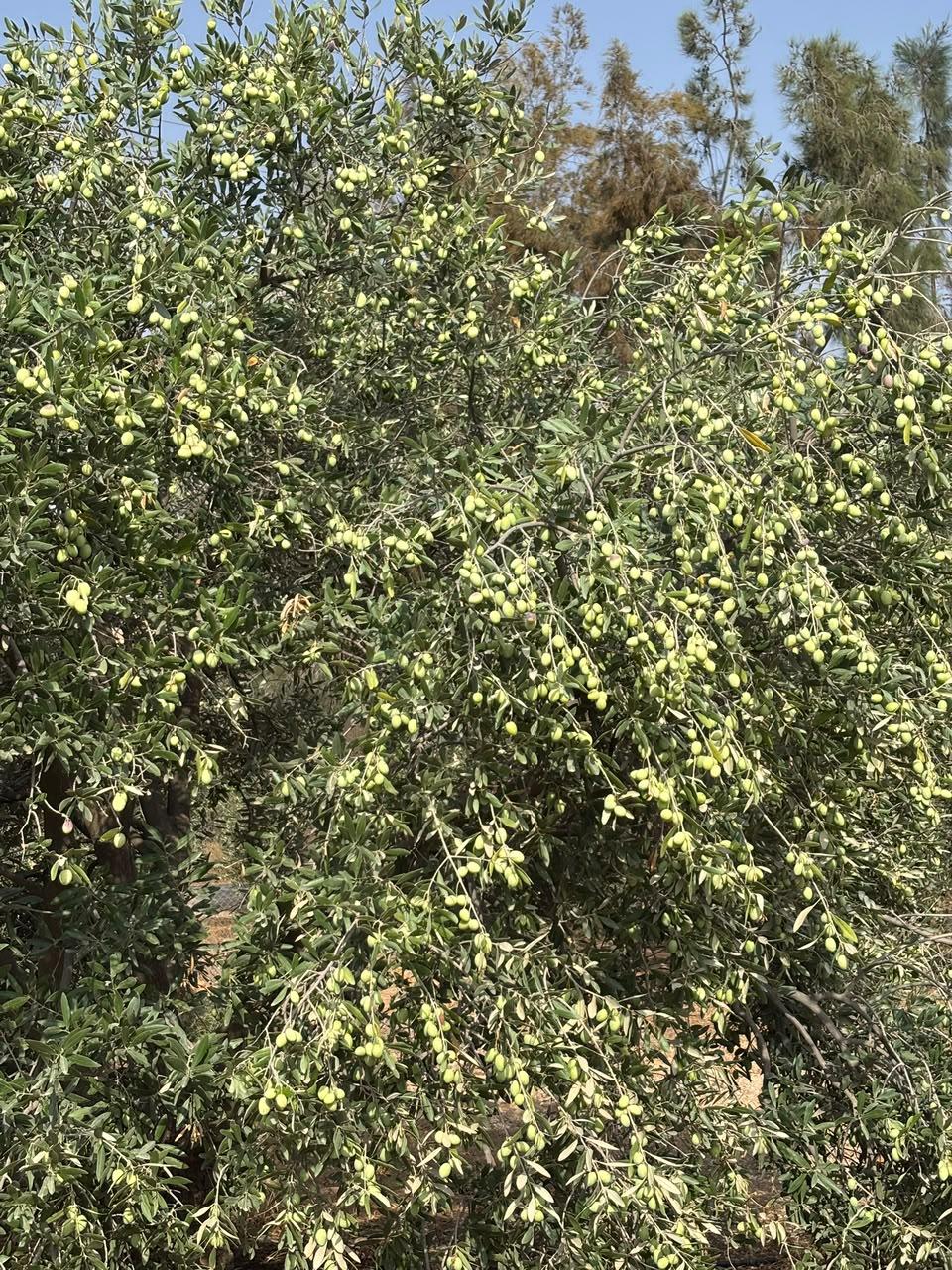
Jordan’s 2026 olive season is plentiful but running two to three weeks late, which explains the low early oil yields. ISDI recommends timing the harvest by the ripeness of each field, using the maturity index and dry-weight oil content. Its free Field Guide to Timing the Olive Harvest helps farmers do this, and it calls for a regional ripeness-monitoring network modelled on Andalusia’s.
ISDI Team
Field Guide to Timing the Olive Harvest
ISDI x MOZARI3.com Technical Guide
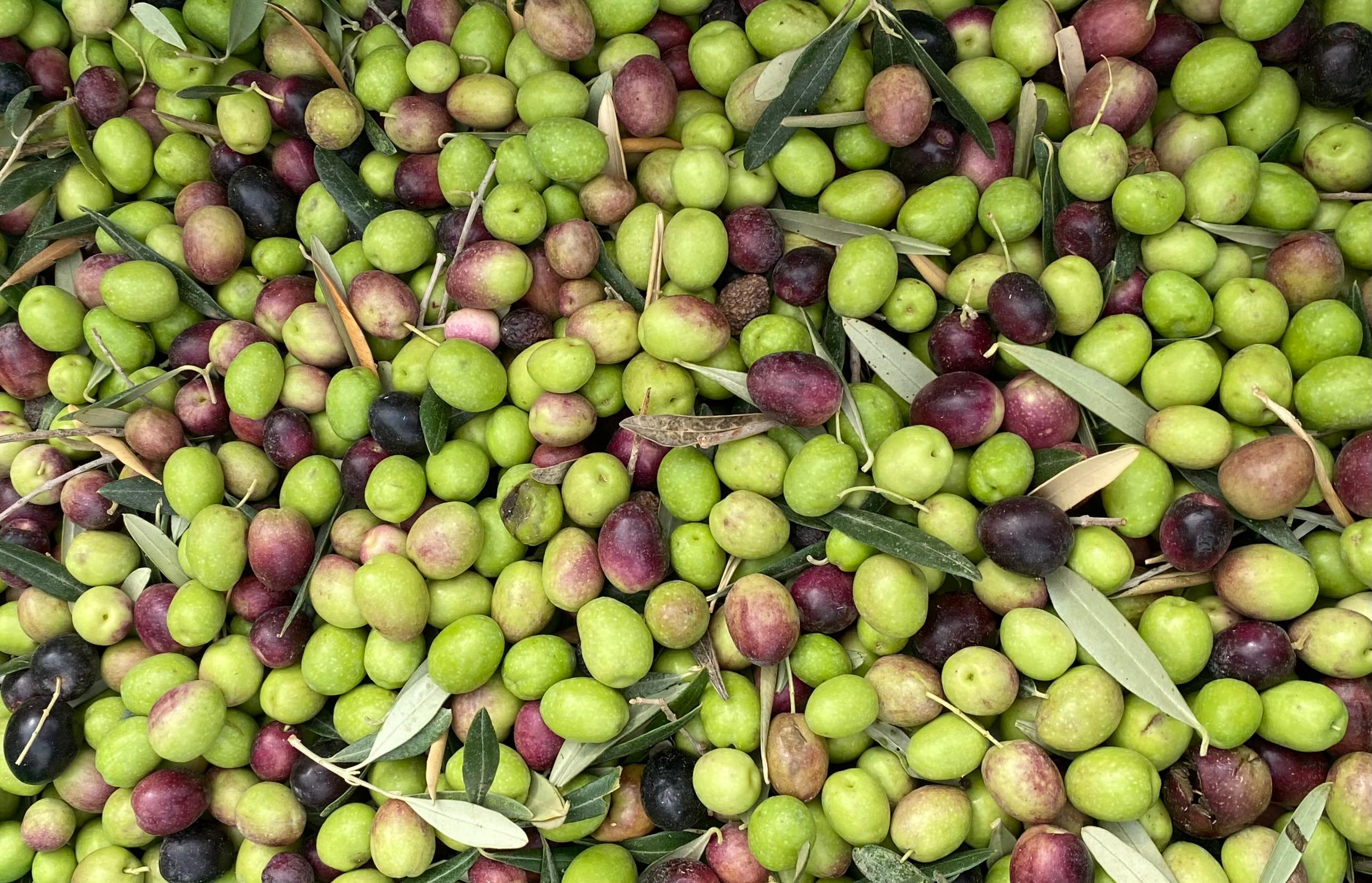
A free field guide that helps olive growers find the right harvest time by calculating the maturity index from a 100-olive sample in about fifteen minutes. It helps them avoid harvesting too early and losing oil, or too late and losing quality, and includes a printable field sheet. A joint publication of ISDI, supported by MOZARI3.com.

ISDI Team
Good for Students, Good for Producers: Rethinking the School Chips Ban
ISDI Policy Brief
On 8 October 2026, Jordan’s Ministry of Health banned the sale of chips of all types in school canteens. The decision followed a national school health survey showing that one in three students aged 13–17 is overweight or obese, rising to 42.5% overweight in private schools.
This policy brief from the Institute for Sustainable Development and Innovation supports the decision’s health goal. It also takes seriously the concerns of the Jordan Chamber of Industry, which represents some 40 factories and about 4,000 workers. Drawing on the reversal of a similar ban in 2018, the brief argues that a ban tied to a product name is hard to defend. It proposes instead measurable nutrition thresholds for all packaged school snacks, covering sodium, saturated fat, added sugar and calories per pack.
The brief sets out a practical transition for manufacturers to produce healthy, affordable snacks from Jordanian produce, supported by JEDCO financing, existing freeze-drying capacity and a reduced sales tax. It also recommends aligning the tax exemption for popular restaurants with the same health goals.
ISDI Team
From Managing Scarcity to Building Resilience: A Diagnostic Study of Jordan’s Agriculture and Food System
ISDI x KAS Study
Produced in partnership with the Konrad Adenauer Foundation, this study challenges the idea that food security depends on achieving domestic self-sufficiency. It examines how Jordan can build a resilient food system that absorbs shocks, recovers and adapts to pressures on water, climate and global markets.
The study analyses four connected areas: natural resources, trade and imports, domestic production and food value chains, and institutional governance. It identifies structural vulnerabilities, resilience gaps and opportunities to strengthen food security in Jordan.
Why AI in Agriculture Is Harder Than It Looks
ISDI Article
A closer look at why AI is harder to bring to Jordanian farms than it seems. The tech itself, smarter irrigation, earlier disease detection, better yield forecasts, isn't really the bottleneck. The real obstacles are more down-to-earth: small landholdings that make the upfront costs hard to justify, a lack of reliable local farm data, and the technical know-how needed to keep it all running. This piece walks through those challenges and points to some practical ways forward, from farmer cooperatives to shared infrastructure and step-by-step adoption, that could actually put these tools within reach of small farms.
Newsletter
Subscribe to our newsletter
Stay up to date with ISDI's latest research, publications, and events — delivered straight to your inbox.
We respect your privacy — no spam, unsubscribe anytime.